A roach infestation isn’t just an inconvenience, it’s a genuine problem that affects comfort and hygiene. Whether someone discovers a single roach scurrying across the kitchen counter or suspects a larger issue hiding in walls and cabinets, choosing the right roach killer matters. The market offers plenty of options, from gel baits to sprays to electronic devices, but not all solutions work equally well. This guide walks through the most effective roach killers available today, explaining how each type works, when to use them, and whether professional help might be necessary. Understanding what is the best roach killer for a specific situation helps homeowners take action quickly and confidently.
Table of Contents
ToggleKey Takeaways
- Gel baits are among the most effective roach killers for colonies, killing roaches within 24-48 hours while triggering secondary kills when contaminated bodies are consumed by other roaches.
- Combining treatment methods—such as layering sprays with gel baits—delivers better results than relying on sprays alone, which only address visible insects rather than the underlying colony.
- The best roach killer strategy requires eliminating food, water, and shelter sources; without prevention habits, even the most effective products will only provide temporary relief.
- Professional pest control services become necessary for severe infestations with daytime roach activity or persistent problems after 3+ weeks of consistent DIY treatment, costing $150–$400 for initial service.
- Always read product labels and wear appropriate protective equipment (gloves, eye protection, and respiratory protection) when applying roach killers to ensure safety for your household and pets.
- For apartments, gel baits are preferred over sprays because they’re mess-free, odor-minimal, and won’t disturb neighbors while still delivering fast-acting results within 3-7 days.
Types of Roach Killers: Finding the Right Solution for Your Needs
Gel Baits and Their Fast-Acting Results
Gel baits rank among the most effective roach killers available and remain a top choice for both apartment dwellers and homeowners. These small, targeted applications contain fast-acting insecticides mixed with attractants that draw roaches in. Once a roach consumes the bait, it typically dies within hours. The real advantage emerges when dead roaches return to their harborages and nests, other roaches consume the poisoned bodies, amplifying the kill rate across the colony.
Products in this category are easy to apply. A person simply places small dots along baseboards, under sinks, behind appliances, and in cabinets where roaches travel. No mixing, spraying, or extensive prep work is required. Gel baits work particularly well for best roach killer for apartments because they’re mess-free, require minimal setup, and don’t create strong chemical odors that disturb neighbors.
Results appear within 3-7 days of application, with populations significantly reduced in two weeks. For best performance, replace baits every 2-3 weeks until roach activity stops completely.
Sprays and Contact Killers for Immediate Control
Roach sprays deliver instant knockdown when encountering visible insects. These aerosol or pump-spray formulations kill on contact, making them useful for immediate action when someone spots a roach or suspects activity in a specific area. But, sprays address the symptom (visible insects) rather than the underlying colony problem.
Contact sprays fall into two categories: pyrethroid-based formulas (synthetic versions of natural insecticides from chrysanthemum flowers) and neonicotinoid products (newer synthetic compounds). Pyrethroids work quickly but have lower residual activity, they kill what they touch but don’t provide long-term protection. Neonicotinoids offer slightly longer residual effects, lingering on surfaces for days.
When applying sprays, follow the label instructions precisely. Wear gloves, eye protection, and ensure good ventilation. Spray along baseboards, cracks, crevices, and around pipe penetrations where roaches hide. Avoid oversaturating surfaces: a light, even coating is more effective than soaking an area. Never spray food preparation surfaces directly.
For the best roach killer experience combining immediate control with ongoing suppression, many professionals recommend layering sprays with gel baits rather than relying on sprays alone.
Top-Performing Roach Killer Options to Consider
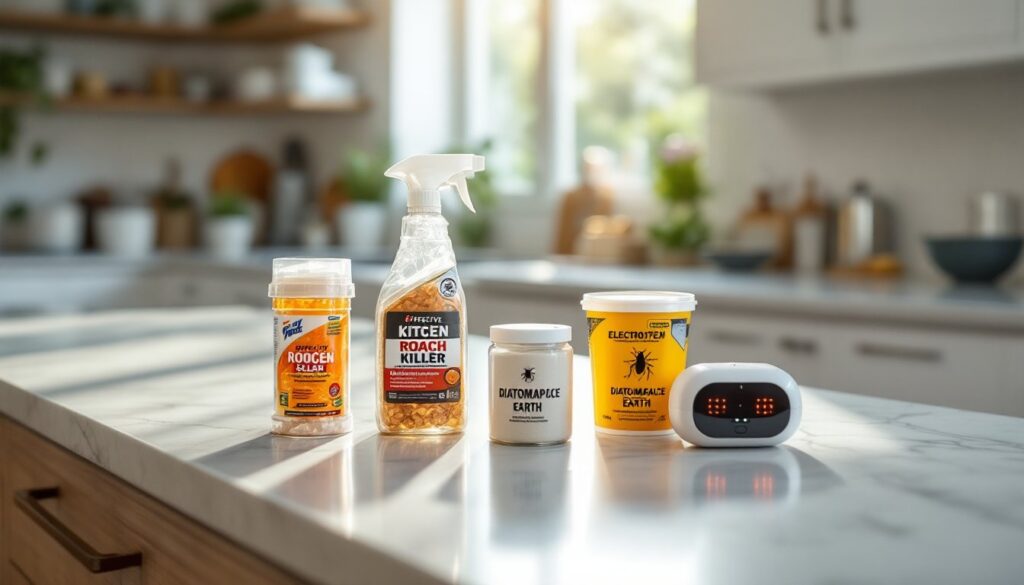
When researching what is the best roach killer on the market today, several products consistently deliver results across different situations. Advion Gel Bait remains highly regarded for fast action and effectiveness against German and American roach species. It contains indoxacarb, an insecticide that disrupts nervous system function, killing roaches within 24-48 hours.
Combat Max Gel Baits offer a budget-friendly alternative with solid performance, particularly in apartments where cost-conscious renters need affordable solutions. While slightly slower than premium options, they work reliably when applied consistently.
For spray-based approaches, Raid Max Roach Spray provides immediate contact kill with some residual protection. The quick knockdown satisfies people who want to see results immediately, though follow-up treatments with baits improve overall colony elimination.
Diatomaceous earth (DE), a natural powder made from fossilized algae, represents a chemical-free option. Though slower-acting than synthetic insecticides, DE damages roach exoskeletons through physical action rather than toxins. It works best in dry areas and requires reapplication after moisture exposure or vacuuming.
Electronic roach traps help identify activity hotspots and monitor treatment effectiveness. They’re non-toxic but don’t eliminate colonies, they function as diagnostic tools rather than primary solutions.
The whats the best roach killer question doesn’t have a one-size-fits-all answer. Light infestations respond well to gel baits alone. Heavy infestations typically require combining gel baits, sprays, and professional treatment for complete control.
Safety Considerations When Using Roach Killers at Home
Roach killers contain active ingredients that kill pests but can pose risks to humans and pets if misused. Always prioritize safety before application. Read the entire product label, including warnings, precautions, and first-aid information. Labels aren’t decorative, they contain critical safety data specific to each product.
Wear appropriate personal protective equipment (PPE) based on the product type. For gel baits, gloves suffice for most situations. For sprays, add eye protection and respiratory protection (at minimum, ensure good ventilation: consider an N95 mask if spraying indoors for extended periods). For powder applications like diatomaceous earth, wear a dust mask to avoid inhalation.
Keep products away from children and pets. Store baits and sprays in original, labeled containers in a locked cabinet or high shelf. Never transfer pesticides to food or beverage containers, which creates obvious poisoning risks.
When applying treatments, keep people and pets out of treated areas. Gel baits can stay in place with normal room use after 1-2 hours, but ventilate spray-treated rooms for at least 2-3 hours before occupancy. If someone has respiratory conditions or chemical sensitivities, consider hiring professionals rather than handling applications personally.
For best roach killer safety, never exceed recommended application rates or treat more frequently than the label specifies. More product doesn’t equal faster results, it increases toxicity risk without improving effectiveness. If accidental exposure occurs, contact Poison Control (1-800-222-1222 in the US) immediately.
Prevention Strategies to Keep Roaches from Returning
The best roach killer only works if combined with prevention strategies that eliminate conditions roaches need to thrive. Roaches require three things: food, water, and shelter. Remove any one, and populations collapse.
Eliminate food sources by cleaning thoroughly and consistently. Don’t leave dirty dishes in sinks overnight. Wipe down counters and stovetops daily, removing crumbs and grease. Store food in airtight containers, not open boxes or bags. Take trash out regularly and keep garbage cans sealed. Even pet food left out overnight attracts roaches, feed pets on schedule and remove uneaten portions within 30 minutes.
Cut off water access by fixing leaky pipes, drips under sinks, and condensation issues around air conditioning units. Roaches need water more than food: even well-fed roaches die without water access. Wipe down sinks before bed, leaving no standing water.
Reduce shelter and hiding spots by sealing cracks and gaps where roaches hide. Caulk gaps around baseboards, pipe penetrations, and electrical outlets. Repair gaps where walls meet cabinets. Remove clutter, cardboard boxes, and stacks of paper where roaches nest. Store items off the floor in sealed containers.
For apartment dwellers, coordinate with neighbors and building management. Roaches spread between units through walls and pipes, so building-wide treatment proves more effective than single-unit efforts. Inform management of infestation signs so they can take action.
Maintain these prevention habits even after roaches disappear, preventing reinfestation before it starts.
When to Call a Professional Pest Control Service
While the best roach killer products work well for light-to-moderate infestations, severe or persistent problems warrant professional intervention. Signs indicating professional help is needed include roaches visible during daytime (suggesting high population density), roaches appearing even though consistent DIY treatment for 3+ weeks, or roaches in multiple rooms throughout a home.
Professional pest control services offer advantages DIY approaches can’t match. Technicians identify harborage areas and entry points hidden from casual inspection. They apply professional-grade products with stronger concentrations than retail options, treating wall voids and inaccessible spaces effectively. They follow a structured treatment schedule, returning multiple times to ensure complete colony elimination rather than temporary suppression.
For apartments, professional treatment proves particularly valuable. Building-wide coordination eliminates roaches more thoroughly than individual unit efforts. Leases typically require residents to report infestations immediately, and buildings are often obligated to provide professional treatment at no cost to residents.
Cost varies by region and infestation severity, typically ranging from $150-$400 for initial treatment plus follow-up visits. While higher than retail products, professional treatment costs far less than replacing furniture, dealing with property damage, or living with ongoing infestation stress.
If roach activity persists after two months of diligent DIY efforts using quality products and prevention methods, calling a licensed pest control professional is the practical next step rather than continuing to chase the problem independently.