A backyard tiny home has shifted from internet fantasy to genuine, practical solution for homeowners facing rising property costs and lifestyle changes. Whether someone needs a rental unit for extra income, an ADU (accessory dwelling unit) for aging parents, or a personal studio, the economics and logistics now make sense. Building on one’s own land sidesteps many traditional real estate hurdles, and with prefab innovations and clearer zoning in 2026, the process has become more accessible than ever. This guide walks through what backyard tiny homes are, why they’re gaining traction, what to check before breaking ground, and how to design a space that actually works for the person living in it.
Table of Contents
ToggleKey Takeaways
- A backyard tiny home is a cost-effective alternative to traditional housing, with prefabricated units costing between $80,000 and $150,000—roughly one-third the price of a standard new home—while generating rental income or offering housing flexibility.
- Before building a backyard tiny home, verify local zoning laws and permits through your planning department, as many municipalities restrict ADU size, setback, and owner-occupancy requirements, potentially saving thousands in avoided costs.
- Proper foundation assessment through soil testing ($300–$800) prevents costly settling issues, and utility capacity checks ensure your property can support separate water, sewer, and electrical connections without expensive upgrades.
- Design a functional tiny home using open floor plans, loft bedrooms, built-in storage, and energy-efficient systems like mini-split heat pumps and high-efficiency insulation to maximize comfort in compact spaces.
- A legally permitted backyard tiny home increases property value in hot markets and provides long-term financial returns through rental income or multi-generational family housing support.
What Is a Backyard Tiny Home?
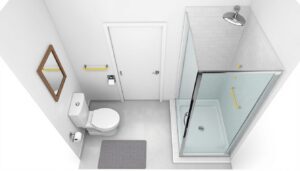
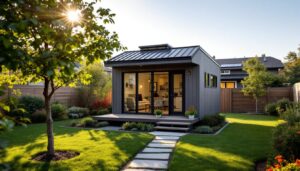
A backyard tiny home is a small, self-contained dwelling built on someone’s existing residential property. It’s distinct from a traditional house addition because it functions as a separate residence: it has its own entrance, kitchen, bathroom, and utilities. Most fall in the 150 to 400 square feet range, though some exceed that. Many jurisdictions call them ADUs (accessory dwelling units), though that term also covers detached studios and in-law suites built within the primary structure.
Backyard tiny homes come in several flavors. A prefabricated tiny home ships as modules and assembles on-site in weeks. A site-built tiny home is framed and finished like a traditional house but at a smaller scale. Some are placed on permanent stem (pile) foundations, while others sit on grade beams or concrete pads. Mobile-home-style tiny homes on wheels, RV-class units, are technically legal in some jurisdictions but often face stricter zoning restrictions.
The key distinction is permanence and zoning. A properly permitted, code-compliant backyard tiny home is a real property improvement: it doesn’t just sit in the yard like a shed. It’s connected to utilities, meets local building codes, and has a clear deed or leasing structure.
Why Backyard Tiny Homes Are Becoming Popular
Cost-Effective Living Solutions
The math is straightforward: a backyard tiny home costs less to build than a traditional single-family house, and it offers income or flexibility without buying another plot of land. A modest prefabricated tiny home running 300 square feet might cost between $80,000 and $150,000 installed (though this varies widely by region, finishes, and land prep). That’s roughly one-third the price of a standard new home in most U.S. markets. For the property owner, renting the unit can offset the mortgage or generate genuine monthly income. For the person living in the tiny home, it’s often cheaper rent than an apartment in the same neighborhood.
Secondly, building on existing land means no separate land purchase and no realtor fees. If the backyard has utility access already, site prep and connection costs drop. Many homeowners recoup much of their investment within five to ten years of rental income, or simply enjoy the flexibility of housing an adult child, an aging parent, or a caregiver without leaving the property.
Environmental and Sustainability Benefits
Smaller square footage translates to lower energy consumption. A 300-square-foot tiny home with proper insulation, high-efficiency HVAC (heating, ventilation, and air conditioning), and Energy Star windows uses a fraction of the utilities of a 2,500-square-foot house. Many DIY builders pair tiny homes with solar panels, rainwater catchment, or greywater recycling systems, features that would be prohibitively expensive on a mansion but make sense at this scale.
Materials waste also shrinks. Site-built tiny homes demand far less lumber, drywall, and finish goods than a standard home. Prefab units eliminate job-site offcuts and packaging excess. The carbon footprint, from manufacture to transportation to installation, is markedly lower. For homeowners with sustainability goals, a backyard tiny home is a practical first step toward carbon-conscious living without sacrificing comfort or resale value.
Key Considerations Before Building
Before a shovel hits the ground, five things demand attention.
Zoning and Permits. Check local ordinances immediately. Many municipalities restrict ADUs by size, setback, and lot size. Some require owner-occupancy (the owner must live on-site). Some cap the rental income or mandate parking spaces. A few regions have embraced ADUs: others ban them outright. This isn’t something to find out mid-project. Contact the local planning department or hire a zoning consultant ($500–$1,500) to confirm feasibility before committing money.
Utilities and Connections. Does the property have spare capacity on the water line, sewer, and electrical service? A 200-amp residential panel can usually handle a tiny home, but if the main house is already maxed out, upgrading the service can cost $3,000–$10,000. Septic systems require separate permitting and percolation tests in rural areas. Gas lines, if needed, add complexity. Get a licensed surveyor and utility contractor to scope this out early.
Soil and Foundation. Swampy, clay-heavy, or steeply sloped lots complicate foundations. A simple concrete slab works on flat, well-draining ground: rocky or wet sites need helical piers, grade beams, or engineered pilings. A soil test costs $300–$800 and can prevent catastrophic settling later. Don’t skip this.
Neighbor Relations and Visibility. A backyard dwelling affects neighbors visually and potentially with traffic, noise, or parking. Proactive communication, or a fence/landscaping buffer, reduces friction. Some deeds or HOA agreements restrict secondary structures, so review those documents.
Financing and Resale Impact. Lenders treat ADUs conservatively. Traditional mortgages often won’t cover the construction cost alone: homeowners often finance through home-equity lines or cash. But, a legally permitted ADU can increase property value, especially in hot markets. Check with local appraisers before starting.
Designing and Customizing Your Backyard Tiny Home
A functional tiny home feels spacious through smart layout. Open floor plans, combining kitchen, living, and dining in one zone, eliminate wasted hallways. Loft bedrooms with high ceilings add sleeping space without consuming footprint. Built-in storage, Murphy beds, and multi-use furniture (a kitchen island that doubles as a desk) are bread-and-butter strategies.
Climate control matters. Oversized windows on the south and west (in northern climates) provide free heat: operable awnings or overhangs prevent summer overheating. Proper air sealing and 6-inch wall cavities with blown cellulose or foam insulation outperform standard framing. A mini-split heat pump (ductless HVAC) heats and cools efficiently without the ductwork a forced-air system needs.
Materials should be durable and low-maintenance. Luxury vinyl plank (LVP) flooring resists moisture and wear better than carpet or basic laminate. Quartz or solid-surface countertops tolerate heavy use. Metal roofing lasts 40+ years and sheds water reliably in any climate, worth the higher upfront cost. Choose zero-VOC paints and sealers for indoor air quality, especially if the space is compact.
Code compliance is non-negotiable. Tiny homes must meet the 2024 IRC (International Residential Code) for egress (two exits from any sleeping area), ceiling heights (7 feet minimum in habitable rooms), and kitchen and bathroom fixtures. Many prefab manufacturers handle this, but site-built projects need a licensed designer or architect ($2,000–$5,000) to ensure inspectors sign off. Skipping this invites fines, forced demolition, or insurability nightmares.
Conclusion
A backyard tiny home is a concrete, finance-friendly answer to housing flexibility, sustainability, and property value. The path from idea to keys-in-hand involves zoning due diligence, utility planning, and thoughtful design, but the payoff is a functional, income-generating, or family-support asset that works for decades. Start with research, don’t skip the professional inputs (zoning lawyer, structural engineer, licensed contractor), and the backyard tiny home trend of 2026 becomes your personal success story.