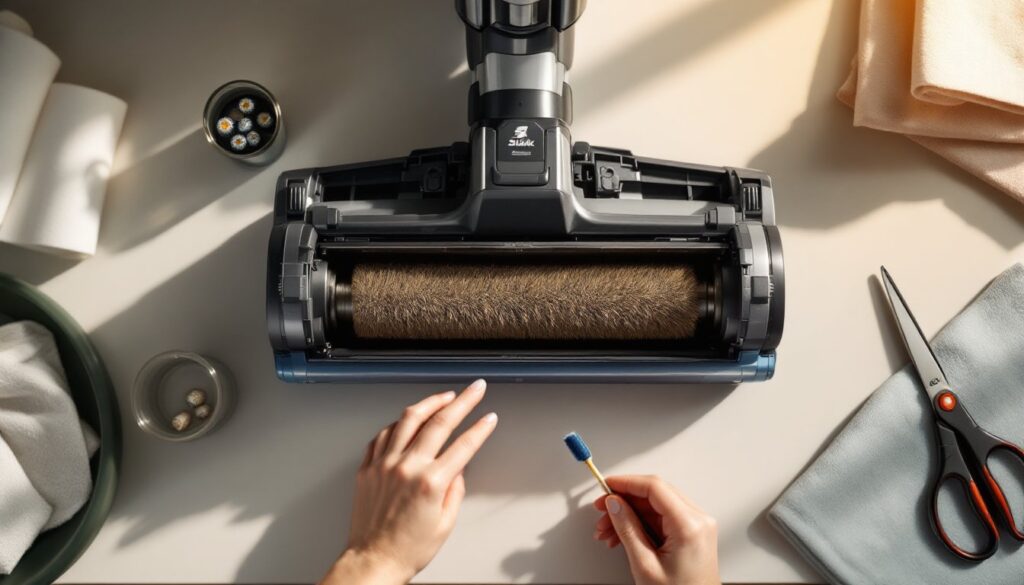
A clogged or worn-out Shark vacuum roller kills suction faster than a kinked hose. If the brush roll isn’t spinning freely or isn’t making contact with the floor, dirt sits on your carpet instead of getting pulled up. The good news: replacing a Shark vacuum roller is a straightforward DIY job that takes 15 minutes and costs far less than a service call. Whether the brush has wound-up pet hair, bristles are matted flat, or the roller itself is cracked, this guide walks through the exact steps to get your vacuum working like new again. No special tools required, just a Phillips screwdriver and a little elbow grease.
Table of Contents
ToggleKey Takeaways
- A Shark vacuum roller replacement is a 15-minute DIY job requiring only a Phillips screwdriver and costs far less than professional service.
- Watch for signs of wear including matted bristles, visible cracks, sluggish spinning, or a burning smell to determine if your Shark vacuum roller needs replacement.
- Check your model number (usually starting with NV, UV, or SC) against Shark’s official parts finder to ensure you buy the correct compatible replacement roller.
- Clean the axle and housing before installing your new roller, and spin it by hand to verify smooth, free rotation without resistance or wobbling.
- Extend your roller’s lifespan to 12-18 months by cutting pet hair weekly, emptying the dust bin at halfway full, and checking the filter monthly.
- Choose between OEM rollers for guaranteed compatibility or trusted aftermarket brands to save money, but avoid incompatible replacements that won’t fit or perform properly.
Signs Your Shark Vacuum Roller Needs Replacement
Before you buy a replacement, confirm the roller is actually the problem. A struggling vacuum isn’t always a dying brush roll, sometimes it’s just clogged with lint or pet hair wrapped around the spindle.
Here’s what to look for:
- Reduced suction even after clearing the dust bin and filter. The roller should be pulling dirt off carpet: if it’s not, the brush might be the culprit.
- Bristles matted or flattened against the tube. Run your finger along the brush, it should feel stiff and slightly raised. Matted bristles won’t dig into carpet fibers.
- Visible cracks or chunks missing from the roller itself. Once the brush is damaged, replacement is the only fix.
- Roller won’t spin or spins sluggishly even after you’ve cleared away hair and debris. This points to a bent axle or worn bearings inside the assembly.
- Unpleasant burning smell during operation. A seized roller creates friction and heat: shut it off immediately and replace.
If the roller looks intact but isn’t gripping, check for hair tangled around the ends where it meets the housing. A quick clean with scissors might save you a trip to the store. But, if the bristles are genuinely worn flat or the roller is visibly damaged, a Shark vacuum brush replacement is your next move.
What You’ll Need Before You Start
Gathering the right parts and tools upfront prevents frustrating mid-project stops.
Parts:
- Replacement Shark vacuum roller compatible with your specific model. Check your user manual or the model number (usually on the back or bottom of the unit) to confirm compatibility. A Shark vacuum replacement brush roll is the exact same thing, just different naming. Popular models like the Navigator, Lift-Away, and Rotator all have different roller specifications, so don’t grab a random one at the store.
Tools:
- Phillips screwdriver (the most common type).
- Scissors or small utility knife for cutting away trapped hair (optional but handy).
- Soft brush or old toothbrush to clean the axle and roller housing.
Safety & Cleanup:
- Paper towels or old rags for dust and debris.
- Gloves (optional) if you’re squeamish about dust.
- A clear workspace where you won’t lose small screws, a towel works great for corralling parts.
Most replacement rollers run $15 to $40 depending on your Shark model. Buying the correct part the first time saves frustration and shipping delays.
Step-by-Step Replacement Instructions
Removing the Old Roller
-
Unplug the vacuum from the outlet. This is non-negotiable, don’t work on a plugged-in machine, even if you think the switch is off.
-
Flip the vacuum upside down or lay it on its side on a clean surface. You’ll see the brush roll running perpendicular to the hose, mounted between two end caps or housing plates.
-
Locate and remove the screws holding the brush roll assembly in place. Most Shark models use two to four screws along the edge. Keep them in a small cup or bag so you don’t lose them.
-
Gently pull the old roller straight out. It should slide free without excessive force. If it’s stuck, check for hidden screws or clips you may have missed.
-
Inspect the axle and housing for hair, dirt, or damage. Use the soft brush or old toothbrush to clean out lint and debris. A clean housing helps the new roller spin freely.
Installing the New Roller
-
Check that the new Shark vacuum replacement brush roll matches your model number. A quick visual comparison with a photo from your manual prevents buyer’s remorse later.
-
Align the roller’s end caps with the slots in the housing. The axle should slide smoothly into the grooves on both sides, no forcing required.
-
Insert the mounting screws through the housing and into the end caps. Tighten them by hand first, then with the screwdriver. Don’t over-tighten: you’ll crack the plastic end cap. Snug is enough.
-
Spin the roller by hand to ensure it rotates freely. It should move without resistance or wobbling. If it binds or feels off, remove it and check alignment.
-
Flip the vacuum right-side up and plug it in. Run it on a hard floor or carpet scrap for a few seconds to confirm operation. Listen for smooth, quiet spinning, no grinding or squeaking.
Tips to Extend Your Roller’s Lifespan
A new Shark vacuum brush replacement typically lasts 12 to 18 months with regular home use, but simple habits stretch that timeline.
- Cut pet hair and thread from the brush roll weekly. Hair wraps around the axle and slows the motor. Scissors work fine: just be careful not to nick the bristles or housing.
- Empty the dust bin when it reaches halfway full, not when it’s overflowing. A clogged bin restricts airflow and forces the motor to work harder, wearing the roller prematurely.
- Check and rinse the filter monthly. A dirty filter causes the motor to pull harder, which stresses the brush assembly. Most Shark filters are washable: let them dry fully before reinstalling.
- Vacuum hard floors occasionally, not just carpet. Running the brush roll on hard surfaces with nothing to grip spins it faster and wastes energy. If your model has a brush roll on/off button, use it on hard floors.
- Store the vacuum in a cool, dry place. Heat and humidity degrade plastic and bristles over time. Avoid damp basements or hot garages.
- Use the correct brush roll for your floor type. Some models ship with interchangeable rollers for carpet versus hard floors. Using the right one prevents premature wear.
Choosing the Right Replacement Roller for Your Model
Buying the wrong Shark vacuum roller is a costly mistake. The brush roll assembly is model-specific, and using an incompatible one will either not fit or perform poorly.
Find your model number:
Look on the back, bottom, or inside the dust bin cover of your vacuum. It typically starts with “NV” (Navigator), “UV” (Lift-Away), or “SC” (Rotator). Write it down.
Cross-reference with the manual or online database:
Shark’s official website has a parts finder tool. Enter your model number and it’ll show the exact replacement brush roll you need. Amazon, Walmart, and specialty vacuum retailers also list compatibility. Read the product description carefully, it should mention your specific model.
OEM vs. aftermarket:
Original Equipment Manufacturer (OEM) rollers from Shark are reliable but pricier. Aftermarket replacements from trusted brands like Bissell or universal roller suppliers are cheaper and usually work well, but quality varies. If you’re unsure, start with the OEM version: the peace of mind is worth the extra $10 to $15.
Watch for bundles:
Some retailers sell shark vacuum roller replacement kits that include filters or pre-motor screens. These bundles are convenient if your filter is also aging, but don’t pay for extras you don’t need.
Once you install your new roller, you’ll notice the difference immediately, better suction, quieter operation, and that satisfying clean-carpet feel. With minimal upkeep, your next replacement won’t be needed for over a year.