Finding the right home for retirement ideas starts with one simple question: what does comfort look like in the years ahead? For some, it means a smaller space with less upkeep. For others, it involves staying put and making smart upgrades. Either way, the goal remains the same, creating a living environment that supports independence, safety, and enjoyment.
Retirement marks a major life transition. The home someone chooses, or chooses to modify, plays a central role in how they experience this chapter. This guide explores practical options, from downsizing strategies to budget-friendly modifications, helping retirees and their families make informed decisions about where and how to live well.
Table of Contents
ToggleKey Takeaways
- Downsizing is a popular home for retirement idea that reduces costs, maintenance, and stress while potentially freeing up equity for savings or experiences.
- Aging-in-place modifications like grab bars, non-slip flooring, and improved lighting help retirees stay safe and independent in their current homes.
- Retirement living options range from independent living communities to CCRCs, each offering different levels of care, community, and lifestyle benefits.
- Budget-friendly upgrades such as handrails, raised toilet seats, and lever door handles can significantly improve home safety without major renovations.
- Accessory dwelling units (ADUs) offer a practical home for retirement idea that keeps families connected while maintaining privacy and independence.
- Grants and assistance programs from HUD and local nonprofits can help cover home modification costs for seniors.
Downsizing to a More Manageable Home
Downsizing is one of the most common home for retirement ideas, and for good reason. A smaller home typically means lower utility bills, reduced property taxes, and far less maintenance. That translates to more time and money for hobbies, travel, or simply relaxing.
Many retirees find that they no longer need four bedrooms or a sprawling backyard. Kids have moved out. The guest room rarely gets used. Cutting square footage can feel liberating rather than limiting.
Benefits of Downsizing
- Lower costs: Smaller homes generally cost less to heat, cool, and maintain.
- Less cleaning and upkeep: Fewer rooms mean fewer chores.
- Simplified living: Owning less stuff can reduce stress and clutter.
- Potential equity release: Selling a larger home often frees up cash for retirement savings or experiences.
What to Consider Before Downsizing
Before making the move, retirees should think carefully about location. Do they want to stay near family? Move closer to healthcare facilities? Relocate to a warmer climate?
Storage also matters. Downsizing requires letting go of some possessions. This process can be emotional, so it helps to start early and involve loved ones.
Finally, prospective buyers should evaluate single-story homes or condos with elevators. Stairs become a bigger concern with age, and planning ahead avoids future problems.
Aging-in-Place Modifications for Your Current Home
Not everyone wants to move. Many retirees prefer to stay in the home where they raised their family and built memories. Aging in place is a valid home for retirement idea, it just requires some planning and upgrades.
The goal here is straightforward: make the home safer and more accessible so residents can live independently for as long as possible.
Key Modifications to Consider
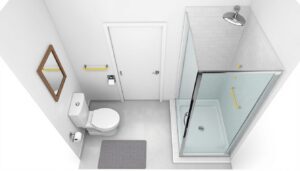
Bathroom updates top the list. Installing grab bars near the toilet and in the shower reduces fall risk significantly. Walk-in tubs or curbless showers eliminate the need to step over high edges. Non-slip flooring adds another layer of protection.
Entryways and doorways may need widening to accommodate walkers or wheelchairs. Ramps can replace stairs at exterior doors. Lever-style door handles are easier to operate than traditional knobs for those with arthritis.
Lighting improvements make a big difference too. Brighter lights in hallways, staircases, and bathrooms help prevent trips and falls. Motion-sensor lights offer convenience and safety, especially at night.
Kitchen adjustments can include lowering countertops, adding pull-out shelves, and installing lever faucets. These changes make daily tasks easier without requiring a full renovation.
The Cost of Aging in Place
Some modifications are inexpensive, grab bars cost under $50 and can be installed in an afternoon. Others, like bathroom remodels or stairlifts, require larger investments. Many retirees find it worthwhile to consult with a certified aging-in-place specialist who can assess the home and prioritize upgrades.
Popular Retirement Living Options to Consider
Beyond staying put or downsizing into a traditional home, several retirement living options exist. Each offers different levels of independence, community, and care.
Independent Living Communities
These communities cater to active adults, typically 55 and older. Residents live in private apartments or cottages while enjoying shared amenities like fitness centers, pools, and social activities. Maintenance and landscaping are usually handled by staff, freeing up time for residents.
Independent living works well for retirees who want a sense of community without needing daily assistance.
Continuing Care Retirement Communities (CCRCs)
CCRCs offer a continuum of care. Residents may start in an independent living unit and transition to assisted living or skilled nursing care as their needs change. This model provides peace of mind, people don’t have to move again if their health declines.
These communities often require a significant entrance fee plus monthly charges, so financial planning is essential.
Active Adult Communities
Sometimes called 55+ communities, these neighborhoods focus on lifestyle. Golf courses, clubhouses, and organized trips are common features. Homes range from single-family houses to townhomes and condos.
This option suits retirees who want an active social life and age-restricted environment without on-site healthcare services.
Accessory Dwelling Units (ADUs)
Another growing home for retirement idea involves building an ADU, a small secondary home on a family member’s property. This setup allows retirees to live close to loved ones while maintaining privacy and independence. It’s a practical solution that keeps families connected.
Budget-Friendly Home Updates for Comfort and Accessibility
Major renovations aren’t always necessary. Plenty of budget-friendly home for retirement ideas can improve comfort and safety without draining savings.
Simple, Low-Cost Upgrades
- Handrails: Adding handrails on both sides of staircases costs a few hundred dollars and dramatically improves safety.
- Non-slip rugs and mats: Securing area rugs with non-slip pads prevents sliding. Better yet, remove loose rugs entirely.
- Raised toilet seats: These inexpensive devices make sitting and standing easier for those with mobility issues.
- Improved lighting: Swapping dim bulbs for brighter LED lights is cheap and effective. Nightlights in hallways and bathrooms add extra security.
- Cordless phones and smart devices: Keeping a phone within reach at all times, or using voice-activated assistants, helps in emergencies.
Mid-Range Improvements
For slightly larger budgets, consider:
- Stairlift installation: Prices vary, but a basic stairlift can cost between $2,000 and $5,000. It’s a worthwhile investment for multi-story homes.
- Comfort-height toilets: These are a few inches taller than standard models and easier to use.
- Lever faucets and door handles: Replacing knobs with levers throughout the home is a small project with a big impact.
Grants and Assistance Programs
Many states offer grants or low-interest loans for home modifications. The U.S. Department of Housing and Urban Development (HUD) provides resources, and some nonprofits help seniors cover renovation costs. Researching local programs can reveal funding opportunities that make upgrades more affordable.