Home for retirement tips matter more than most people realize. A well-prepared living space can mean the difference between thriving independently and struggling with daily tasks. Many retirees find themselves in homes that no longer fit their needs, too many stairs, bathrooms without grab bars, or layouts that simply don’t work anymore.
The good news? Small changes can make a big impact. Whether someone plans to age in place or relocate, preparing a home for retirement requires honest evaluation and smart planning. This guide covers practical steps to assess current living situations, prioritize safety upgrades, manage finances, and decide whether downsizing makes sense.
Table of Contents
ToggleKey Takeaways
- Assess your current home’s layout, bathroom accessibility, and outdoor spaces to determine if it supports safe, independent living for decades to come.
- Start with low-cost safety upgrades like non-slip mats, brighter lighting, and lever-style door handles—these deliver immediate benefits for under $200 each.
- Budget 1-2% of your home’s value annually for maintenance and explore financial assistance programs like Medicaid waivers and VA grants before starting projects.
- Consider downsizing if your current home requires more modifications than its value justifies—smaller homes mean lower costs and less upkeep.
- Apply home for retirement tips proactively by making changes or relocating while healthy, rather than waiting for a health crisis to force decisions.
Assess Your Current Home’s Suitability
Before making any changes, retirees should take a hard look at their current home. Does it support safe, comfortable living for the next 10, 20, or even 30 years? This assessment forms the foundation of any home for retirement tips strategy.
Evaluate the Layout
Single-story homes tend to work best for aging adults. Stairs become a challenge when mobility decreases. If the home has multiple floors, consider whether essential rooms, bedroom, bathroom, kitchen, exist on the main level.
Narrow hallways and doorways can create problems for walkers or wheelchairs. Standard doorways measure 32 inches wide, but 36 inches or more allows easier access. Take measurements and note potential obstacles.
Check Bathroom and Kitchen Accessibility
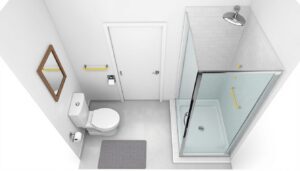
Bathrooms present the highest fall risk in any home. Look for:
- Bathtubs with high sides that require stepping over
- Slippery tile floors
- Toilets that sit too low
- Lack of grab bars near the toilet and shower
Kitchens need attention too. Upper cabinets may become unreachable. Heavy appliances stored high create hazards. Consider whether current counter heights work for someone seated or using mobility aids.
Think About Outdoor Spaces
Driveways, walkways, and entryways deserve scrutiny. Cracked sidewalks, uneven pavement, and steps without railings cause falls. Home for retirement tips often overlook exterior spaces, but they matter just as much as indoor areas.
Prioritize Safety and Accessibility Upgrades
Once the assessment is complete, it’s time to make changes. Some upgrades cost little, while others require significant investment. Prioritizing based on immediate needs and budget makes sense.
Low-Cost Safety Improvements
Many home for retirement tips start with affordable fixes:
- Non-slip mats in bathrooms and kitchens reduce fall risk immediately
- Brighter lighting throughout the home helps with declining vision
- Lever-style door handles replace round knobs that become hard to grip
- Nightlights in hallways and bathrooms prevent stumbles in the dark
- Raised toilet seats add a few inches and make sitting and standing easier
These changes cost between $10 and $200 each. They deliver quick safety improvements without major renovation work.
Moderate Renovations
Grab bars in showers and near toilets should be installed by professionals to ensure they anchor securely into wall studs. A properly installed grab bar supports significant weight during a fall.
Walk-in showers eliminate the need to step over tub edges. These renovations typically cost $1,500 to $5,000 depending on the scope. Comfort-height toilets (17-19 inches) make a noticeable difference for anyone with knee or hip issues.
Major Accessibility Projects
Some homes need substantial work. Stairlifts cost $2,000 to $5,000 for straight staircases. Home elevators range from $20,000 to $50,000. Widening doorways runs $500 to $2,500 per door.
These investments make sense when the alternative, moving to a new home, costs even more. Home for retirement tips should always weigh renovation expenses against relocation costs.
Plan for Long-Term Financial Considerations
Retirement home preparation involves money, sometimes lots of it. Smart financial planning prevents costly surprises later.
Budget for Home Maintenance
Older homes need ongoing repairs. Roofs, HVAC systems, plumbing, and electrical work all require attention. Financial experts recommend setting aside 1-2% of a home’s value annually for maintenance. A $300,000 home means $3,000 to $6,000 each year.
Retirees on fixed incomes should calculate whether they can afford these ongoing costs. Home for retirement tips often focus on modifications but ignore the reality of continued upkeep.
Explore Financial Assistance Programs
Several programs help seniors fund home modifications:
- Medicaid waiver programs cover some accessibility upgrades in many states
- USDA Rural Housing Repair Loans offer low-interest financing for qualifying homeowners
- VA grants help veterans with service-connected disabilities modify their homes
- Local Area Agencies on Aging often maintain lists of assistance programs
Researching these options before starting projects can save thousands of dollars.
Consider Property Tax Implications
Many states offer property tax exemptions or deferrals for seniors. These programs reduce ongoing housing costs significantly. Some areas freeze property tax assessments for homeowners over 65. Checking with local tax assessors reveals available benefits.
Consider Downsizing or Relocating
Sometimes the best home for retirement tips lead to a simple conclusion: the current house isn’t right. Downsizing or relocating offers legitimate advantages.
Benefits of a Smaller Home
Less space means less maintenance, lower utility bills, and reduced property taxes. A 1,200 square foot home costs far less to heat, cool, and clean than a 2,500 square foot house.
Smaller homes also eliminate unused rooms that collect clutter. Many retirees find liberation in simplifying their living space.
When Relocation Makes Sense
Several factors push toward moving:
- The current home requires more modifications than its value justifies
- Family members live far away, and proximity matters
- Climate affects health conditions like arthritis or respiratory issues
- The neighborhood no longer meets safety or accessibility standards
Retirement communities, 55+ developments, and condominiums with built-in accessibility features eliminate renovation hassles entirely.
Timing the Move
Waiting too long creates problems. Moving while healthy allows time to adjust to new surroundings, build social connections, and settle in comfortably. Relocating during a health crisis limits options and increases stress.
Home for retirement tips should include honest conversations about timing. The best moves happen proactively, not reactively.