Knowing how to home for retirement is one of the most important decisions people face as they approach their later years. The right housing choice affects daily comfort, long-term finances, and overall quality of life. Many retirees underestimate how much their living situation will change once they stop working. Some need less space. Others require accessibility features they never considered before. This guide breaks down the essential factors to consider when planning a home for retirement, from evaluating current needs to managing costs effectively.
Table of Contents
ToggleKey Takeaways
- When planning how to home for retirement, assess your space needs, physical accessibility, and lifestyle changes before making housing decisions.
- Downsizing frees up equity and reduces maintenance costs, while aging in place preserves community ties but may require costly modifications.
- Prioritize single-level living, accessible bathrooms, and wide doorways to ensure safety and independence as you age.
- Choose a retirement home location near healthcare, shopping, and social activities to maintain quality of life.
- Calculate all housing costs—including taxes, insurance, utilities, and maintenance—to accurately budget for retirement.
- Set aside funds for future home modifications and consider long-term care needs when selecting your retirement home.
Assessing Your Current Housing Needs
Before making any major housing decisions, retirees should take an honest look at their current living situation. The home that worked well during working years may no longer fit retirement life.
Evaluate Space Requirements
Most retirees find they need less space than they once did. Children have moved out. Guest rooms sit empty for months at a time. A four-bedroom house may feel like a burden rather than a blessing. Consider how many rooms actually get used on a regular basis.
Consider Physical Accessibility
Physical needs change with age. Stairs that seem manageable at 60 can become difficult at 75. When planning a home for retirement, think about mobility concerns that may arise in the next 10 to 20 years. Single-story layouts, wide doorways, and accessible bathrooms become increasingly valuable.
Factor in Lifestyle Changes
Retirement brings new routines. Some people want to travel frequently, making a low-maintenance home ideal. Others plan to host family gatherings and need adequate entertaining space. The best retirement home matches the lifestyle someone actually wants to live, not the one they lived before.
Location Matters
Proximity to healthcare, family, and social activities plays a major role in retirement satisfaction. A beautiful home in an isolated area may lead to loneliness. Retirees should consider how close they want to be to medical facilities, shopping, and the people they care about.
Downsizing Versus Aging in Place
One of the biggest decisions in retirement housing is whether to downsize to a smaller home or age in place. Both options have clear advantages and drawbacks.
The Case for Downsizing
Downsizing frees up equity, reduces maintenance costs, and simplifies daily life. A smaller home means lower utility bills, less cleaning, and fewer repairs. For retirees who want to home for retirement with financial flexibility, selling a larger property can provide a significant cash infusion.
Downsizing also forces people to declutter. Many find this process liberating, though it requires effort upfront.
The Case for Aging in Place
Aging in place allows retirees to stay in familiar surroundings. They keep their established routines, neighborhood connections, and memories tied to their home. For those with strong community ties, this option offers emotional stability.
But, aging in place often requires home modifications. Grab bars in bathrooms, ramp installations, and updated lighting may be necessary. These costs should be factored into the decision.
Finding the Middle Ground
Some retirees choose a hybrid approach. They renovate their current home to improve accessibility while also preparing it for potential sale in the future. This strategy provides flexibility without forcing an immediate decision.
The right choice depends on individual circumstances. Financial resources, health status, and personal preferences all play a role in determining whether downsizing or aging in place makes more sense.
Key Features to Look for in a Retirement Home
When shopping for a retirement home, or modifying an existing one, certain features deserve special attention. These elements support comfort, safety, and independence as residents age.
Single-Level Living
A single-story floor plan eliminates stair-related risks. If stairs are unavoidable, look for homes with main-level bedrooms and bathrooms so daily activities don’t require climbing.
Accessible Bathrooms
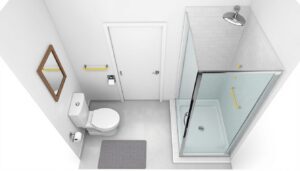
Bathrooms present the highest fall risk for older adults. Walk-in showers with grab bars, non-slip flooring, and comfort-height toilets make a significant difference. These features help retirees home for retirement safely.
Wide Doorways and Hallways
Standard doorways measure 32 inches wide. Wheelchair-accessible homes need at least 36 inches. Even without mobility equipment, wider passages make movement easier and safer.
Low-Maintenance Exteriors
Retirement isn’t the time to spend weekends on lawn care and gutter cleaning. Homes with smaller yards, durable siding, and minimal landscaping reduce physical demands and ongoing costs.
Good Lighting
Vision often declines with age. Homes with ample natural light and well-placed artificial lighting reduce eye strain and prevent accidents. Task lighting in kitchens and bathrooms is especially important.
Proximity to Services
A great retirement home sits near essential services. Grocery stores, pharmacies, healthcare providers, and public transportation should be reasonably accessible. This convenience becomes more valuable as driving becomes less appealing or possible.
Financial Considerations for Retirement Housing
Housing typically represents the largest expense in retirement budgets. Smart planning helps retirees stretch their savings further.
Calculate True Housing Costs
Monthly mortgage or rent payments tell only part of the story. Property taxes, insurance, utilities, maintenance, and HOA fees add up quickly. When evaluating how to home for retirement affordably, include all these expenses in the calculation.
Understand Home Equity Options
Homeowners have several ways to access their equity. Selling and downsizing is one approach. Reverse mortgages allow retirees to convert equity into income while staying in their homes. Home equity lines of credit offer another option for those who qualify.
Each choice carries different risks and benefits. Consulting a financial advisor before tapping home equity is wise.
Consider Long-Term Care Costs
Many retirees eventually need some form of assisted living or in-home care. These costs can be substantial. Choosing a home that can accommodate future care needs, or that sits near quality care facilities, provides important flexibility.
Plan for Property Taxes
Property taxes vary widely by location. Some states offer exemptions or freezes for senior homeowners. Research local tax policies before committing to a retirement location. A beautiful home in a high-tax area can strain fixed incomes over time.
Budget for Modifications
Even well-suited homes may need updates. Set aside funds for accessibility improvements, safety upgrades, and general repairs. A home for retirement should remain comfortable and functional for years to come.