Kitchen cabinets set the tone for the entire space. A fresh paint job can transform outdated cabinetry into a focal point, without the $10,000-plus price tag of a full replacement. Sherwin Williams kitchen cabinet paint colors have become a go-to choice for DIYers tackling this project because the brand offers durability, color depth, and finishes specifically formulated for high-traffic surfaces. Whether someone wants subtle sophistication or bold personality, Sherwin Williams delivers reliable options backed by real-world performance. This guide walks through the best colors trending in 2026, finish choices that actually hold up, and the practical steps to get professional results on a DIY timeline.
Table of Contents
ToggleKey Takeaways
- Sherwin Williams kitchen cabinet paint colors deliver durability and aesthetic control at a mid-range price point ($50–80 per gallon), making professional cabinet refresh affordable compared to full replacement.
- Alabaster and Urbane Bronze lead neutral options, while Naval blue and Sea Salt offer contemporary sophistication for 2026 kitchen trends.
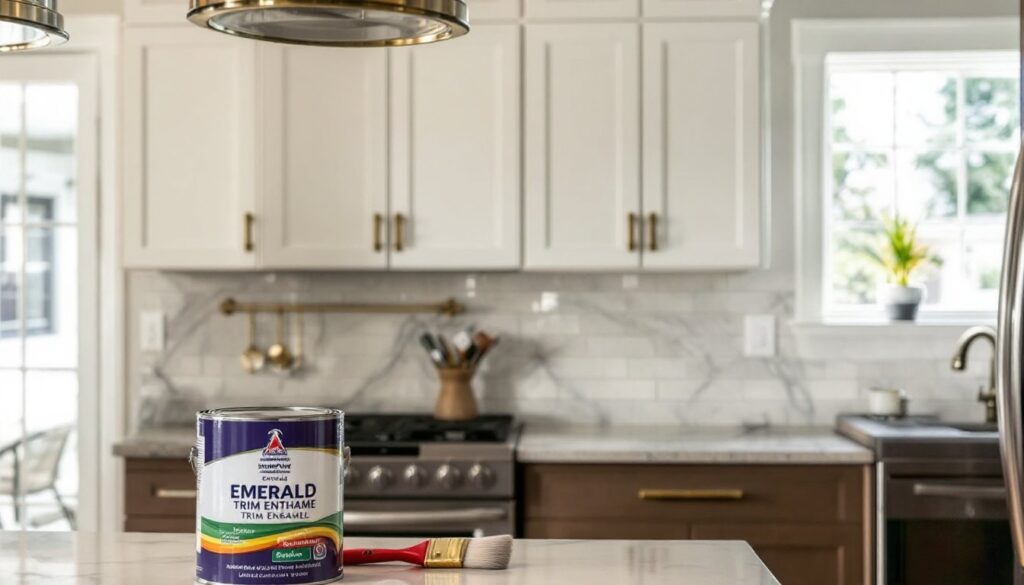
- Emerald Urethane Trim Enamel provides maximum durability for high-traffic surfaces; ProClassic Waterborne Acrylic is the faster-drying, lower-VOC alternative.
- Proper prep—including degreasing, sanding, and priming—is nonnegotiable; skip primer only if painting over existing cabinet paint in good condition.
- Semigloss or gloss finishes are essential for kitchens to ensure easy cleaning and durability; cure times of 3–7 days must be respected before cabinet closure to prevent sticking.
Why Choose Sherwin Williams for Cabinet Painting
Sherwin Williams formulates paints with cabinet durability in mind. Their ProClassic Waterborne Acrylic and Emerald Urethane Trim Enamel are engineered to resist moisture, staining, and wear from daily door opens and counter contact, something generic wall paint simply can’t handle.
The brand’s color palette is extensive. Retailers mix custom tints in-store, so a homeowner isn’t limited to 20 pre-mixed options. The depth and consistency across product lines means a neutral on the wall can match a cabinet trim in a different finish.
Sherwin Williams also provides application support. Their technical teams answer questions about prep, primer selection, and drying times, valuable when troubleshooting mid-project. For cabinet work, this backing matters more than brand loyalty alone.
Cost sits in the middle ground: higher than budget hardware-store paint, lower than specialty cabinet paint brands. A gallon typically runs $50–80 depending on finish type and location, with coverage around 350–400 square feet per gallon (nominal, actual depends on color and primer).
Top Sherwin Williams Cabinet Colors for Modern Kitchens
Neutral and Timeless Shades
Alabaster (SW 7008) remains the most popular cabinet white for good reason. It’s warm without yellow undertones, works with chrome, brass, and matte finishes, and doesn’t look washed out under typical kitchen lighting. It’s versatile enough to pair with nearly any countertop or backsplash.
Urbane Bronze (SW 7048) brings depth to cabinetry without going pure black. It reads as a sophisticated charcoal-gray-brown, works beautifully on lower cabinets paired with light uppers, and hides fingerprints better than true whites.
Accessible Beige (SW 7036) lands in the warm neutral zone, closer to taupe than tan. It works for farmhouse, transitional, and modern styles. Unlike stark whites, it ages gracefully and doesn’t show dust as quickly.
Tricorn Black (SW 6258) is the choice for modern or transitional kitchens wanting drama. It pairs striking contrast with any countertop, reads expensive, and coordinates with black hardware and stainless steel appliances.
Bold and Contemporary Tones
Naval (SW 6244) is a deep, sophisticated blue-navy that’s trending for 2026. It works as an accent on a single cabinet run, an island, or even full cabinetry in open-concept kitchens with white walls. Pairs well with brass hardware and marble.
Iron Ore (SW 7069) is a dark gray-charcoal, less stark than black but richer than medium gray. It suits contemporary kitchens and hides stains exceptionally well. Looks refined paired with light countertops and stainless steel.
Sea Salt (SW 6204) is a soft gray-green-blue hybrid that’s become a favorite for transitional kitchens. It’s less trendy than it was in 2023, but still delivers a calm, sophisticated look, not dated. Works on full cabinetry or accent islands.
Selecting the Right Finish for Your Cabinets
Cabinet finish matters as much as color. Sherwin Williams offers several options for cabinet work:
Emerald Urethane Trim Enamel is the workhorse choice. It’s self-leveling (smooths out brush marks), water-resistant, and hardens to a durable shell. Gloss and semigloss versions provide that “furniture” look homeowners expect. Drying time is longer (8–24 hours between coats), but the payoff is a finish that handles daily abuse.
ProClassic Waterborne Acrylic is lower VOC, dries faster (4–6 hours), and works well for those with ventilation limitations or sensitivity. It doesn’t self-level as smoothly as urethane, so brush technique matters more. Semigloss and gloss are both available: semigloss is more forgiving for DIY application.
SuperPaint Acrylic Latex is budget-friendly but not ideal for high-traffic cabinet surfaces. It’s designed for walls, not the wear resistance cabinets demand. Skip this one for cabinetry.
Sheen Levels: High-gloss and semigloss reflect light, hide dust slightly less, and are easiest to clean. Satin finishes reduce shine and fingerprints but are harder to wipe down. For kitchens, gloss or semigloss is almost always the right call. Matte finishes on cabinets tend to show every smudge and water spot.
Application Tips and Best Practices
Prep is nonnegotiable. Remove cabinet doors and hardware. Clean all surfaces with a degreaser, kitchen grime is the enemy of adhesion. Sand all surfaces (150–180 grit) to scuff the original finish and dull any gloss. Seal any visible wood with a sanding sealer to prevent blotchiness, especially on pine or birch.
Prime everything. A quality primer like Sherwin Williams ProClassic Primer or B-I-N Shellac Primer prevents stain bleed-through and improves adhesion. Skip primer only if painting over existing cabinet paint in good condition and using the same paint type (unlikely in most renovations).
Apply paint thin and even. Use a high-quality brush (Purdy or similar: avoid foam rollers for enamel finishes). Two thin coats beat one thick coat. Thick application leads to runs, sags, and uneven drying. Between coats, lightly sand (220 grit) to knock down dust and ensure good adhesion on the second coat.
Control the environment. Cabinet paint needs stable temperatures (ideally 50–85°F) and low humidity. Damp kitchens cause soft finishes and slow drying. Ensure doors dry flat or hang on supports, leaning doors against walls can warp.
Hardware and reassembly: Wait the full cure time (usually 3–7 days depending on finish) before rehinging doors or closing cabinets. Premature closure traps uncured paint and causes sticking. Paint the interior cabinet box and backs of doors too, it looks finished and protects wood.
PPE: Wear nitrile gloves, safety glasses, and a respirator mask (P100 or equivalent) when working with water-based acrylics and urethanes. Adequate ventilation is essential: open windows and use a fan.
Conclusion
Sherwin Williams cabinet colors and finishes deliver the durability and aesthetic control a DIYer needs for a professional-looking result. Alabaster and Urbane Bronze anchor the neutral side: Naval and Sea Salt lead contemporary palettes. The key is matching color choice to finish type and environment, Emerald Urethane for maximum durability, ProClassic for faster drying and lower VOC. Proper prep and primer application separate successful cabinet projects from disappointing repaints within a year. With attention to these details, a homeowner can refresh kitchen cabinetry for a fraction of replacement cost and own the satisfaction of doing it themselves.