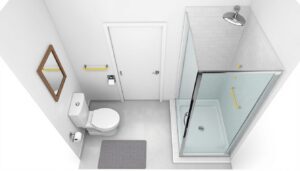
Tiny home communities have emerged as a practical response to rising housing costs and changing lifestyle preferences. These intentional neighborhoods, sometimes called tiny home villages or tiny house communities, cluster small-footprint homes (typically 400–1,200 square feet) around shared green space, parking, and community amenities. From retirees seeking low-maintenance living to families looking to reduce their carbon footprint and monthly expenses, residents are discovering that tiny home communities in the US offer more than just smaller addresses. They promise affordability, sustainability, and a sense of neighborhood connection that sprawling suburban developments often lack.
Table of Contents
ToggleKey Takeaways
- Tiny home communities offer significant cost savings, with purchase prices typically ranging from $150,000 to $300,000 and operating expenses roughly one-third of traditional homes, making them an affordable alternative to rising housing costs.
- These intentional neighborhoods prioritize social connection through shared amenities, walking paths, and organized community events, combating isolation while fostering genuine belonging among residents.
- Downsizing to tiny home community living requires honest assessment of space needs, decluttering discipline, and comfort with collaborative decision-making and HOA fees ($150–$400 monthly).
- Financing challenges and resale limitations exist due to niche market appeal, so prospective buyers should research legal structures, lender relationships, and community financial health before purchasing.
- Successful tiny home communities demand on-site evaluation with current residents, review of legal documents and reserve funds, and alignment between your lifestyle preferences and the community’s design and demographic composition.
What Are Tiny Home Communities?
Tiny home communities are planned neighborhoods built around the concept of shared community space and smaller individual dwellings. Unlike scattered tiny houses on private rural lots, these communities, also referred to as tiny home villages, feature homes clustered together, often with centralized parking, walking paths, green spaces, and shared amenities like community gardens, fitness facilities, or gathering halls.
These developments vary widely in scale and design. Some are purpose-built neighborhoods with 50–200 homes, while others are smaller clusters of 10–20 units. Homes themselves range from simple 400-square-foot studios to 1,200+ square-foot family-sized units, depending on the community’s target demographic. Many tiny home communities in the US follow a co-housing model, where residents own or lease individual units but share common resources and decision-making.
Architecturally, tiny homes emphasize efficient use of space. Open floor plans, loft bedrooms, multipurpose furniture, and vertical storage are standard features. A well-designed tiny home maximizes functionality without feeling cramped. Unlike mobile or modular homes, most community tiny homes are permanently sited and built to local building codes, they’re real estate, not vehicles.
The Benefits of Living in a Tiny Home Community
Affordability and Reduced Living Costs
The primary draw of tiny home communities is cost. Entry-level prices for a tiny home purchase typically range from $150,000 to $300,000, compared to the US median home price exceeding $400,000. Rental units in tiny home villages often cost $800–$1,500 monthly, significantly less than comparable rentals in the same region.
Beyond purchase price, operating costs drop dramatically. Heating, cooling, and powering a 600-square-foot home costs roughly one-third what a 2,000-square-foot house demands. Property taxes follow suit. Shared infrastructure, roads, utilities, water systems, spread costs across residents, reducing individual burden. Insurance is also lower due to smaller replacement value and proximity to emergency services. Over a decade, the financial advantage compounds.
Maintenance expenses shrink too. Smaller roofs, fewer windows, and less exterior surface mean fewer repairs and lower upkeep. Many tiny home communities include basic maintenance as part of HOA fees, shifting surprise expenses to predictable monthly costs.
Built-In Social Connections and Amenities
Tiny home communities are designed for neighbors to interact. Walking paths and courtyards replace car-oriented suburbs. Shared amenities, community kitchens, workshops, outdoor gathering spaces, encourage spontaneous connection. For retirees in tiny home retirement communities, this design combats isolation. For families, children play safely in car-free zones while parents supervise from porches.
Communities often organize events: potlucks, skill-shares, yoga classes, or tool libraries. Many operate consensus-based governance, where residents have a voice in rules, maintenance decisions, and community direction. This participatory element creates genuine belonging rather than anonymous neighborhood associations.
Shared resources reduce individual burden and costs. A community tool library eliminates the need for each resident to own rarely-used equipment. Shared guest parking accommodates visitors without clogging private lots. Group purchasing power, for internet, bulk goods, or services, saves money. Tiny home communities in the US increasingly emphasize sustainability through composting programs, community gardens, and EV charging stations.
Challenges to Consider Before Moving
Tiny home communities aren’t for everyone. The first challenge is space. Downsizing from a 2,000-square-foot house to 700 square feet requires honest assessment. Can you live without a dedicated guest bedroom, multiple closets, or a garage? Storage becomes precious: ruthless decluttering is mandatory, not optional.
Second, community living has friction points. Noise travels in tighter quarters. Disagreements over rules, maintenance standards, or community direction can escalate when you can’t easily exit. HOA fees, typically $150–$400 monthly, go toward common area maintenance and governance. Unlike traditional homeownership, you have less unilateral control over your surroundings. Some residents thrive in this collaborative environment: others chafe.
Third, financing and legal issues complicate purchases. Many lenders treat tiny homes skeptically, non-standard construction, land-trust arrangements, or unusual deed restrictions create appraisal and loan challenges. Down payments may be higher (15–25%), and interest rates sometimes reflect perceived risk. Research your specific community’s legal structure: Is it freehold ownership? Leasehold? A co-housing cooperative? Each carries different resale implications and financial obligations.
Fourth, location matters enormously. Tiny home communities tend to cluster in progressive urban areas or retiring hotspots. If you need to live in a rural area or sprawling region where communities don’t exist, you’re out of luck. Relocation isn’t free: transaction costs and emotional strain factor into the decision.
Finally, resale can be slow. Tiny homes appeal to a niche market. Younger families may outgrow the space, and some retirees later realize the community model doesn’t suit them. Fewer qualified buyers means longer listing periods and potential price pressure.
Finding and Evaluating Tiny Home Communities
Locating a tiny home community suited to your needs requires research. Online directories like CoHousing.org and the Fellowship for Intentional Community (FIC) list established and developing communities. Real estate platforms increasingly filter by tiny home communities, and local planning departments track approved projects in their jurisdiction.
When evaluating a specific community, visit in person. Walk the grounds at different times, early morning, evening, weekends. Talk to current residents without community leadership present (ask for contact info). Do people actually interact, or do they isolate? Are homes well-maintained? Is the grounds crew responsive to complaints?
Review the legal documents: CC&Rs (Covenants, Conditions & Restrictions), bylaws, and financial statements. What are reserve funds? Are there pending special assessments? Is the HOA stable, or is turnover high? Ask about financing options available in the community, some have relationships with sympathetic lenders: others leave you struggling with conventional banks.
Evaluate the business model. Is the community for-profit or nonprofit? Is land leased or owned? Nonprofit communities often prioritize affordability long-term: for-profit developers may optimize short-term returns. Some communities are established (proven track record): others are speculative (higher risk, potentially lower prices). New tiny home villages and existing tiny house communities both carry trade-offs.
Assess practical logistics: How’s transportation? If you don’t drive, are bus lines nearby? What’s the demographic composition, retirees, families, mixed? Does that fit your social preference? Check utilities: Are they individually metered or shared? Shared systems cut costs but complicate individual control. Finally, ask about the community’s future: Is it full? Expanding? Is there a waitlist? Is the founding vision still alive, or has mission drift occurred? These details separate thriving tiny home communities in the US from struggling ones.
Conclusion
Tiny home communities represent a legitimate alternative to conventional housing, especially for those prioritizing affordability, sustainability, and community connection. The tiny home village model, whether structured as a retirement community, family neighborhood, or co-housing arrangement, addresses real pain points: housing cost, environmental impact, and isolation.
But success depends on alignment between your lifestyle and the community’s design. Visit multiple communities, ask hard questions, read the fine print, and don’t romanticize. A thriving tiny home community requires both the right location and the right people. For those who fit, the trade-off between square footage and quality of life often pays dividends for decades.