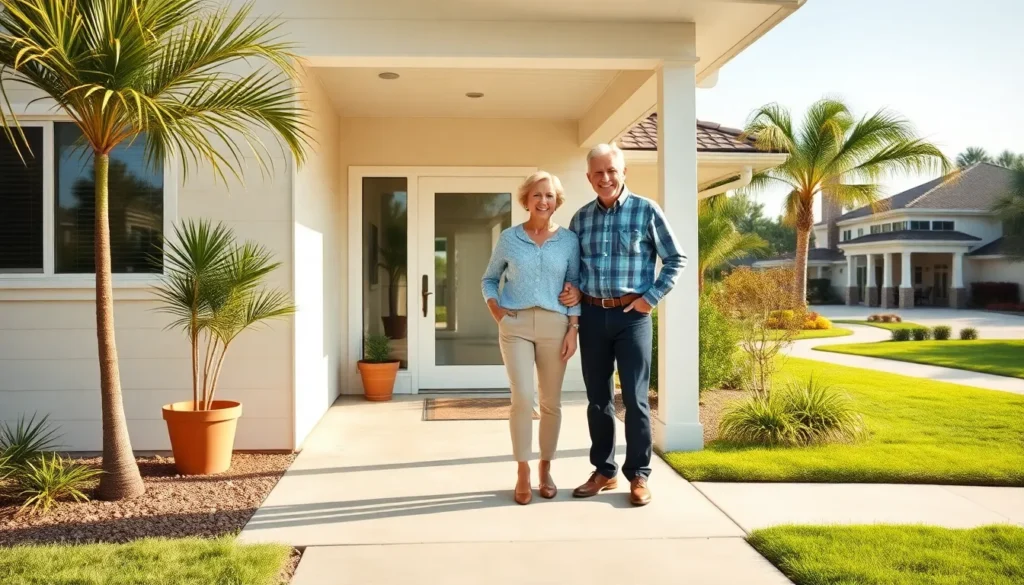
Choosing a top home for retirement is one of the biggest decisions people make in their lives. The right home can shape daily routines, social connections, and overall well-being for decades. Retirees today have more options than ever, from single-story ranches to vibrant adult communities. This guide breaks down what makes a retirement home ideal, the best property types to consider, must-have features, and where to find the perfect location. Whether someone plans to downsize, relocate, or age in place, this article provides clear guidance for making a confident choice.
Table of Contents
ToggleKey Takeaways
- A top home for retirement prioritizes accessibility, low maintenance, and proximity to healthcare and essential services.
- Single-story homes and ranches eliminate fall risks and offer flexible layouts ideal for aging in place.
- Active adult communities provide built-in social opportunities, amenities, and maintenance-free living for those 55 and older.
- Must-have features include a main-floor master bedroom, walk-in showers, lever-style door handles, and energy-efficient systems.
- Florida, Arizona, the Carolinas, and Texas remain popular retirement destinations due to tax benefits, warm climates, and quality healthcare.
- The best retirement home balances current comfort with future needs—consider safety features, community access, and proximity to family.
What Makes a Home Ideal for Retirement
A top home for retirement meets both current needs and future requirements. Retirees should think beyond aesthetics and focus on practicality, safety, and long-term livability.
Accessibility ranks high on the priority list. Homes with wide doorways, minimal stairs, and step-free entrances make daily life easier. As mobility changes over time, these features become essential rather than optional.
Low maintenance matters too. Large yards and aging infrastructure demand time, money, and physical effort. Many retirees prefer homes that require less upkeep so they can spend energy on hobbies, travel, and family.
Proximity to services is another key factor. A top home for retirement sits near healthcare facilities, grocery stores, pharmacies, and social activities. Driving becomes less appealing, or less possible, for some retirees, so walkability and public transit access gain importance.
Safety features also define an ideal retirement home. Non-slip flooring, good lighting, grab bars in bathrooms, and security systems provide peace of mind. These additions often cost little upfront but deliver significant value over time.
Finally, community and social access influence quality of life. Isolation can affect mental and physical health. Homes near community centers, clubs, or within planned neighborhoods offer built-in social opportunities that keep retirees engaged and active.
Best Types of Homes for Retirees
Not every home suits retirement living. Some property types offer clear advantages for this life stage.
Single-Story Homes and Ranches
Single-story homes and ranches remain a top home for retirement choice across the country. They eliminate stairs entirely, which reduces fall risks and makes daily movement simpler.
Ranch-style homes typically feature open floor plans. This layout allows easy navigation and creates flexibility for future modifications like wheelchair access. Many ranches also include attached garages with direct interior entry, a practical detail during bad weather or when carrying groceries.
These homes often sit on smaller lots compared to multi-story properties. That means less yard work and lower property taxes in many areas. For retirees who want space without the burden of a large estate, single-story homes hit the sweet spot.
Active Adult Communities
Active adult communities cater specifically to residents aged 55 and older. These neighborhoods offer a top home for retirement with added lifestyle benefits.
Most active adult communities include amenities like clubhouses, pools, fitness centers, and walking trails. Organized activities, from golf leagues to book clubs, help residents stay social and physically active.
Many communities handle exterior maintenance, landscaping, and even some utilities through HOA fees. This arrangement frees residents from yard work and home repairs. Some communities also provide on-site healthcare services or partnerships with nearby medical facilities.
The trade-off? HOA fees can run several hundred dollars monthly. Buyers should factor these costs into their budgets and review community rules carefully before committing.
Key Features to Look for in a Retirement Home
Beyond home type, specific features make a significant difference in retirement living. Smart buyers prioritize these elements when searching for a top home for retirement.
Main-floor master bedroom: Climbing stairs to sleep becomes harder with age. A ground-level master suite with an attached bathroom solves this problem.
Walk-in showers: Traditional tubs pose fall risks. Step-in showers with built-in seating and grab bars offer safer alternatives.
Lever-style door handles: Round knobs can challenge arthritic hands. Lever handles require less grip strength and open easily.
Good natural lighting: Well-lit spaces reduce eye strain and improve mood. Large windows and skylights bring in daylight without increasing energy costs dramatically.
Energy efficiency: Fixed incomes make utility bills a concern. Homes with modern insulation, efficient HVAC systems, and Energy Star appliances keep monthly costs predictable.
Smart home technology: Voice-controlled lighting, programmable thermostats, and video doorbells add convenience and security. Many retirees embrace these tools once they experience the benefits.
Guest space: Retirees often host visiting family. A spare bedroom or convertible den keeps guests comfortable without disrupting daily routines.
Outdoor living areas: Covered patios, screened porches, or small gardens provide enjoyable outdoor time without demanding extensive maintenance.
Top Locations for Retirement Living
Location shapes the retirement experience as much as the home itself. Several regions consistently attract retirees seeking a top home for retirement.
Florida leads the pack. No state income tax, warm weather year-round, and countless age-restricted communities make it a perennial favorite. Cities like Sarasota, Naples, and The Villages draw thousands of new retirees annually.
Arizona offers similar tax advantages and a dry climate that appeals to those with joint pain or respiratory issues. Scottsdale and Tucson feature active adult communities alongside excellent healthcare systems.
The Carolinas have gained popularity in recent years. North Carolina’s Research Triangle provides top-tier medical care, while South Carolina’s coastal towns like Hilton Head combine beach living with golf culture. Both states offer moderate costs of living compared to the Northeast.
Texas attracts retirees with no state income tax and diverse city options. Austin delivers culture and entertainment. San Antonio offers history and affordability. Houston provides world-class medical facilities.
Colorado appeals to active retirees who love the outdoors. Cities like Denver and Colorado Springs offer mountain access, mild summers, and strong healthcare infrastructure. The higher altitude doesn’t suit everyone, though.
Beyond these hotspots, many retirees choose to stay near family or return to hometowns. The best location depends on personal priorities, climate, cost of living, healthcare access, and proximity to loved ones all factor into the decision.