A cramped bathroom doesn’t have to feel like one. The right tiny bathroom sink with vanity can transform a tight space into a functional, even stylish area without requiring a full gut renovation. Whether someone’s working with a powder room, a small second bath, or a compact master, choosing the correct sink-and-vanity combo makes the difference between awkward dead space and genuinely usable real estate. This guide covers the essential considerations, size, style, materials, and budget, so the homeowner can make an informed choice that fits both the space and the wallet. Read on to discover how a well-selected compact vanity solves storage, plumbing, and design challenges all at once.
Table of Contents
ToggleKey Takeaways
- A tiny bathroom sink with vanity solves storage, function, and design challenges simultaneously, transforming cramped spaces into intentional, usable areas.
- Wall-mounted vanities (18–24 inches) maximize floor space and create the illusion of a larger bathroom, while pedestal sinks offer style but provide zero storage.
- Proper sizing depends on available wall space, existing plumbing location, and daily usage—a 20-inch vanity works well for most small bathrooms shared by two people.
- Material selection matters: ceramic and porcelain are affordable and durable, while solid surface and quartz offer premium durability and seamless aesthetics at higher price points.
- Budget $200–$2,500 depending on quality, with mid-range options ($500–$1,200) offering the best balance of durability, style, and value for most homeowners.
- Prioritize proper installation, drainage, and cabinet sealing—these unglamorous details determine long-term functionality and prevent mold and water damage.
Why Small Bathroom Vanities Matter More Than You Think
A tiny bathroom vanity isn’t just a sink, it’s a problem solver. In small bathrooms, every square inch counts, and a poorly chosen vanity eats floor space, limits movement, and creates clutter. The right compact sink-and-vanity unit, on the other hand, provides essential storage (drawer or cabinet space for toiletries, cleaning supplies, and medicines), a functional work surface, and visual balance.
Consider the practical angle: a pedestal sink looks clean and airy but leaves nowhere to stash anything. A wall-mounted vanity with a modest cabinet underneath offers the best of both worlds, it opens up floor space while adding storage that keeps the bathroom from feeling chaotic. Also, a vanity with a 16- to 24-inch width is genuinely enough for two people to share a bathroom comfortably. It’s not luxurious, but it works.
Beyond function, the vanity sets the tone for the entire room. A well-proportioned, well-finished compact vanity actually makes a tiny bathroom feel intentional and designed rather than cramped or cheap. Homeowners who invest in a quality, appropriately scaled sink-and-vanity unit often report that the bathroom feels larger and more pleasant to use every day.
Top Styles and Designs for Compact Bathroom Sinks
Compact sinks come in several reliable configurations, each with distinct trade-offs. Understanding the options ensures the homeowner picks the style that genuinely suits the space and workflow.
Wall-Mounted and Pedestal Options
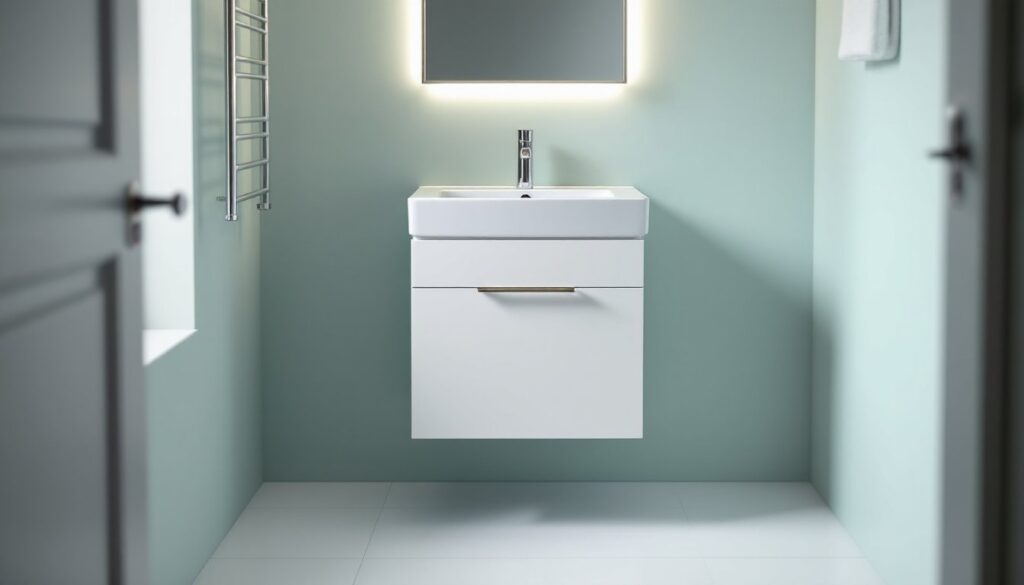
Wall-mounted vanities reign in tiny bathrooms. A typical unit spans 18 to 24 inches wide, mounts directly to wall studs (or blocking installed between studs), and leaves the floor beneath completely open. This design makes the room feel larger, eases cleaning, and allows wheelchair access if needed. The trade-off: wall-mounted vanities require solid framing and careful plumbing routing in the wall, not a casual retrofit if plumbing already exists.
Pedestal sinks offer an elegant, retro-friendly option that also clears floor space. But, a pedestal provides zero storage. It’s purely a sink and basin on a sculptural base. A pedestal works best in a powder room where guests only wash hands, or when paired with wall-mounted shelving or a narrow cabinet beside it.
Corner Vanities and Space-Saving Configurations
Corner vanities maximize otherwise dead space. A triangular or angled corner sink (typically 24 to 32 inches on each leg) tucks into a corner, freeing up the center of the bathroom and often surprising homeowners with how much cabinet space a corner unit can hide. Plumbing runs into the corner, which can work well if the existing vent is nearby. The downside: corner vanities can feel awkward for two users and make some cabinet interiors hard to access.
Some homeowners choose a single-basin floating vanity (20 to 30 inches) positioned along the longer wall instead. This approach balances storage, style, and usable space effectively. A vanity in this range typically includes a small cabinet with one or two drawers, not a ton, but enough for daily essentials and cleaning supplies.
How to Choose the Right Size for Your Bathroom
Size selection hinges on three factors: available wall space, the existing plumbing location, and how many people use the bathroom daily.
First, measure the wall where the vanity will sit. Account for door swing, if the bathroom door swings inward, the vanity shouldn’t protrude more than 12 to 16 inches from the wall, or it blocks entry. A typical tiny bathroom is 5 by 8 feet: a 20-inch vanity works. A 4 by 6 bathroom calls for an 18-inch or smaller unit. Take a photo of the space and note electrical outlets, windows, and any existing plumbing rough-ins.
Second, identify where the drain and water lines currently exit the wall. If they’re already positioned for a certain vanity size, replacing with a vanity that’s substantially larger or smaller may require costly re-plumbing. Some homeowners can shift plumbing: others find it’s cheaper to accept the existing layout and choose a vanity to match.
Third, consider daily use. A powder room for guests? A 16- to 20-inch vanity suffices. A shared master bath or kid’s bathroom? An 24-inch option provides more counter space and a deeper, wider basin for realistic use. Test the dimensions by taping a cardboard mock-up to the wall, it’s worth an hour to avoid a costly mistake.
Materials and Durability for Tiny Vanity Sinks
Material choice affects both appearance and lifespan. Compact bathroom vanities typically pair a basin material with cabinet construction.
Ceramic and porcelain sinks are traditional, affordable (starting around $80–$150), and easy to clean. They’re durable if not chipped. Porcelain is slightly harder and more stain-resistant than ceramic. Both require a sealed grout or caulk joint where the basin meets the counter to prevent water from seeping into the cabinet below.
Vitreous china is similar to porcelain and common in budget vanities. It resists scratches reasonably well and handles daily use without issue.
Composite resin and acrylic sinks are lighter, shatter-resistant, and less likely to crack than ceramic. They’re warm to the touch and cost $100–$250. The catch: acrylic can scratch more easily, and harsh cleaners can dull the finish.
Solid surface and quartz counters with integrated sinks (molded as one piece) look sleek and hide the basin seam. They’re durable, stain-resistant, and run $300–$800 or more depending on brand and customization. No separate caulk line to fail or harbor mold.
For the cabinet, plywood or solid wood (maple, birch, oak) topped with a finish or veneer resists moisture better than particleboard. MDF (medium-density fiberboard) is cheaper, lighter, and acceptable if sealed well and kept dry. Avoid unfinished or poorly sealed particle board in bathrooms, it swells when damp.
All vanity cabinets need an underside sealant or coating to resist moisture damage. Check that the interior is sealed or coated, not just painted on the exterior.
Budget-Friendly vs. Premium Options
Tiny bathroom vanities range from $200 to $2,500+, depending on materials, customization, and brand.
Budget tier ($200–$500): Stock vanities from big-box retailers (typically 18 to 24 inches, ceramic or acrylic sink, particleboard cabinet with basic finish). These work fine for a rental, guest bathroom, or temporary fix. Lifespan is 5–10 years with decent care. Drawers and doors may loosen or sag over time.
Mid-range ($500–$1,200): Semi-custom or quality stock units with plywood cabinets, better hardware, and options for different sink materials. Many homeowners find this sweet spot offers durability and style without very costly. Realistic lifespan is 10–15 years.
Premium ($1,200+): Custom cabinetry, high-end sink materials (stainless steel, natural stone, quartz), soft-close drawers, and finishes. These units are built to last 20+ years and often become a design focal point. Worth it if the homeowner plans to stay in the home a long time or prioritizes a specific design aesthetic.
Don’t skip installation and labor costs. Wall-mounted vanities require stud-finding, wall-hanging hardware, and careful plumbing integration. Expect $200–$500 in labor if hiring a carpenter or plumber (varies by region and complexity). A pedestal or freestanding vanity is easier to swap in, reducing labor.
When budgeting, factor in the faucet separately, a quality faucet is a worthwhile upgrade that won’t leak or corrode in a few years. Budget $100–$300 for a reliable, attractive option.
Final Thoughts: Making the Right Choice
Selecting a tiny bathroom sink with vanity boils down to honest assessment: How much space exists? Who uses it daily? What’s the realistic budget for both product and installation? A 20-inch wall-mounted vanity with a ceramic or composite sink, a plywood cabinet, and a solid faucet serves most small bathrooms well. It’s functional, affordable, and durable. For those with more budget or specific design goals, mid-range and premium options offer extra durability and aesthetic polish. Whatever the choice, prioritize proper installation, drainage, and cabinet sealing, those unglamorous details determine whether the vanity works beautifully for years or becomes a source of headaches and mold. A small bathroom deserves the same thoughtfulness as a large one.